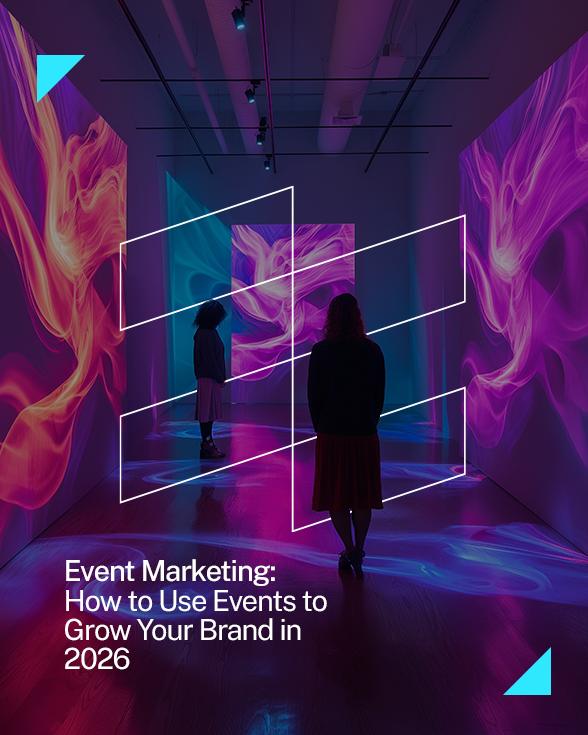
As digital spaces become increasingly crowded, brands are rediscovering the power of real-world and hybrid experiences. Screens are everywhere, attention is fragmented, and audiences are more selective than ever. In this environment, event marketing is no longer just a supporting tactic; it has become a primary channel for building trust, memorability, and emotional connection.
In 2026, events are not about scale alone. They are about intention. Brands that win are those that design experiences people actually want to be part of, not just attend.
Why Event Marketing Matters More Than Ever
Event marketing creates something digital channels struggle to replicate: presence. When people experience a brand in real life, or even in a well-executed hybrid environment, the connection feels more human and more credible. Events allow brands to tell their story through interaction rather than interruption.
As consumers grow more resistant to traditional advertising, events offer a space where engagement is voluntary. People show up because they want to, and that mindset changes how they perceive the brand behind the experience.
From Attendance to Impact: Rethinking Event Strategy
Successful events don’t start with logistics. They start with purpose. A strong event strategy defines why the event exists, what the audience should feel, and how the brand should be remembered once it’s over.
In 2026, effective event strategy focuses less on one-off moments and more on long-term value. Events are designed as touchpoints within a larger brand journey, not isolated experiences. Every interaction, from registration to post-event follow-up, is part of a broader narrative.
When strategy leads execution, events stop being expenses and start becoming investments.
The Rise of Experiential Thinking
Audiences no longer want passive experiences. They want to participate, customize, and share. This shift has pushed brands to rethink how they approach engagement, leading to more immersive and creative brand activation ideas.
Activations today blend storytelling, technology, and culture. They invite people to interact with the brand rather than simply observe it. Whether it’s through hands-on installations, live content creation, or personalized moments, the goal is the same: create something worth remembering and worth sharing.
The most effective brand activation ideas don’t feel like marketing. They feel like experiences people would choose even if no brand name were attached.
Measuring What Really Matters
One of the biggest misconceptions around events is that their impact is difficult to measure. In reality, modern tools and tracking methods make it easier than ever to evaluate event marketing ROI.
Beyond attendance numbers, brands now track engagement levels, content reach, lead quality, sentiment, and long-term brand lift. Events generate content, conversations, and data that continue delivering value long after the lights go off.
In 2026, event marketing ROI is measured not just by immediate sales, but by how effectively an event strengthens brand perception and accelerates future growth.
Events as Growth Engines for Businesses
For many companies, especially in competitive markets, events have become one of the most effective ways to stand out. Well-designed experiences cut through noise and position brands as confident, credible, and culturally aware.
This is why event marketing ideas for businesses are shifting away from generic formats toward more targeted, audience-first experiences. Smaller, well-curated events often outperform large-scale ones because they create deeper connections and more meaningful conversations.
Whether the goal is lead generation, brand awareness, or community building, events offer flexibility that few other channels can match.
The Future of Event Marketing in 2026
Looking ahead, the brands that succeed with event marketing will be those that prioritize relevance over reach and experience over exposure. Technology will continue to enhance events, but strategy and creativity will remain the driving forces.
Events will no longer exist as standalone moments. They will function as integrated brand platforms, feeding content, insights, and engagement across every other marketing channel.
The Bottom Line
Event marketing in 2026 is about creating value, not just visibility. When guided by a clear event strategy, powered by thoughtful brand activation ideas, and measured through meaningful event marketing ROI, events become one of the most powerful tools for sustainable brand growth.
For businesses willing to invest in experiences that feel human, intentional, and relevant, event marketing offers something increasingly rare: genuine connection.
And in a world full of noise, that connection is what truly sets brands apart.
At A2Z Media Group, we design strategic event experiences that connect brands with audiences in ways that last, blending creativity, culture, and measurable impact across markets.
Written by:
Experiential & Brand Activation Team at A2Z Media Group